Stump Grinding vs. Stump Removal — What's the Difference?
Pro National Tree Service • April 6, 2026
Which Option Is Right for Your Yard in Cleveland, TX?
At Pro National Tree Service, one of the most common questions we get after a tree comes down is, "What do we do about the stump?" It's a great question, and the answer depends on your yard, your budget, and your plans for that space. There are two main options — stump grinding and full stump removal — and they are not the same thing. Knowing the difference can save you time and money, and help you make the right call for your property in Cleveland, TX.
Stump grinding is the most popular option, and it's what our team recommends for most homeowners. With stump grinding, we use a machine to grind the stump down several inches below the surface. The stump is gone from sight, and the leftover wood chips can be used as mulch or hauled off. The roots stay in the ground, but they break down naturally over time. Stump grinding Cleveland TX is fast, affordable, and leaves your yard looking clean without a lot of digging.
Full stump removal goes a step further. This option involves pulling the entire stump and root system out of the ground. It is more labor-intensive and takes more equipment, which makes it more expensive than stump grinding. However, it does leave a completely clear space with no roots left behind. Full stump removal makes the most sense if you are planning to pour concrete, install a foundation, or do major landscaping in that exact spot. For most residential yards in Cleveland, Dayton, and Livingston, TX, stump grinding gets the job done just as well at a lower cost.
So which one is right for you? If you just want the stump gone and your yard looking great again, stump grinding near me is the way to go. It's quick, clean, and our crew handles everything including the cleanup. If you have a big construction or landscaping project planned for that area, full removal might be worth the extra investment. Our team at Pro National Tree Service will always give you an honest recommendation based on what we see on your property — no upselling, no runaround.
Pro National Tree Service offers professional stump grinding and stump removal for homeowners and businesses across Cleveland, TX and the surrounding areas. We are a trusted local tree company with the equipment and experience to handle jobs of any size. After every job, we clean up and leave your yard better than we found it. If you have a stump sitting in your yard and you are ready to get rid of it, give us a call today for a free estimate. We make it easy, affordable, and stress-free.
Pro National Tree Service
Proudly serving Cleveland, Dayton, Livingston, and the surrounding areas.
You might also like
Pro National Tree Service Blog
Tree roots can damage foundations, pipes, and driveways before you even notice. Pro National Tree Service in Cleveland, TX explains the warning signs.
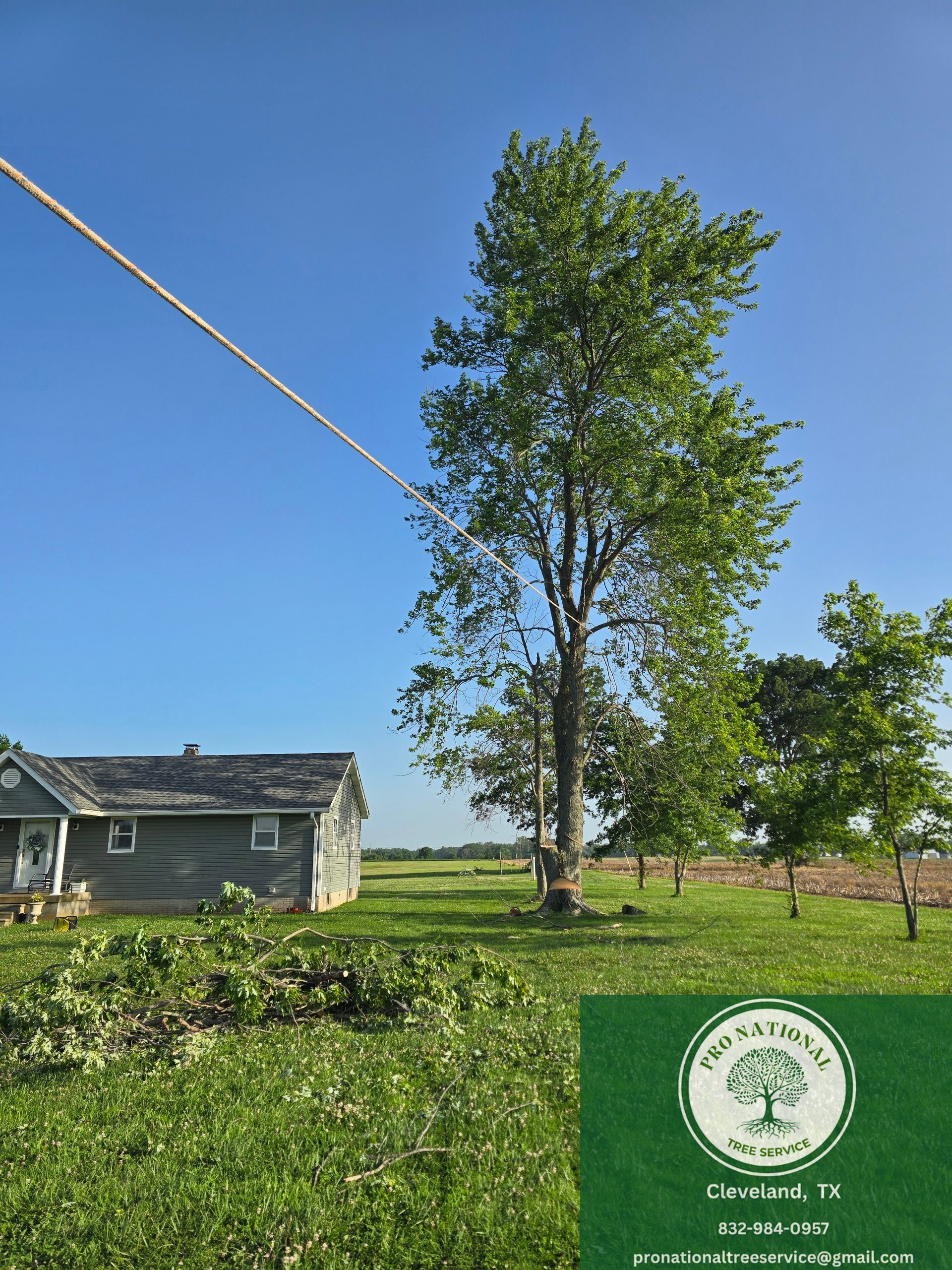
Pro National Tree Service breaks down honest tree removal pricing in Cleveland, TX. No hidden fees, no surprises. Call for a free estimate today!
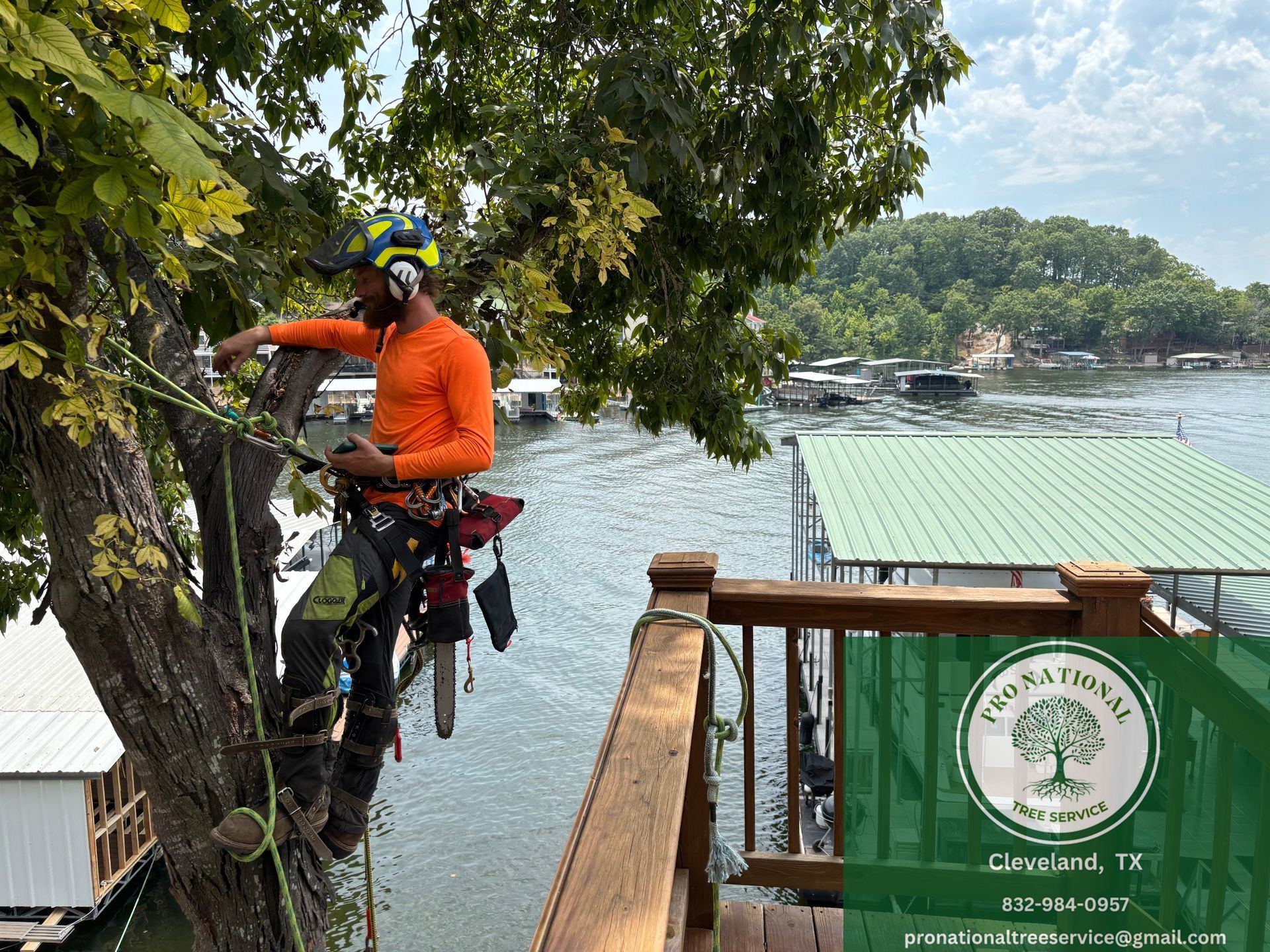
Wondering what happens during a tree removal job? Pro National Tree Service in Cleveland, TX walks you through every step — from free estimate to final cleanup.